Recipes
Pellet Grill Recipes
Proven pellet-grill methods with smoker temps, target internal temps and timing by weight.
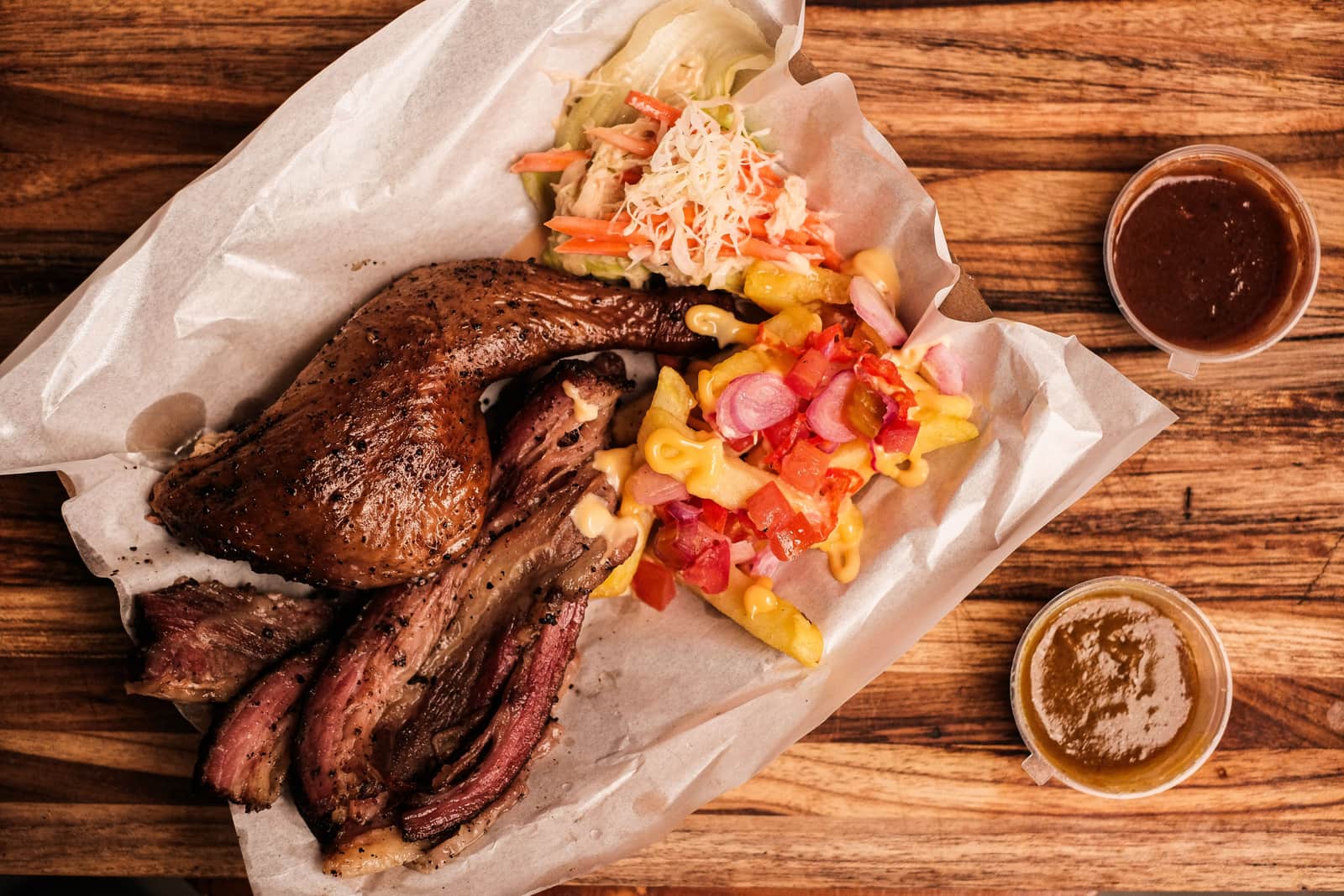
Every recipe here gives you the smoker temperature, the target internal temperature, the pellet flavor and a timing guide by weight. Cook to temperature, not to the clock — the times are for planning your day, and the thermometer decides when food is done.
New to this? Start with the five recipes worth cooking first, which puts them in the order that builds skill rather than the order they look easiest.
Every safe minimum internal temperature quoted across these pages is the USDA Food Safety and Inspection Service figure, cited on the page it appears on. Where a recipe goes well beyond that number — brisket, pork shoulder, chuck — the page says plainly that the higher figure is about tenderness and not about safety.
Beef
Two different temperature rules live here: steaks and roasts are safe at 145°F, while brisket and chuck go to around 203°F for tenderness.
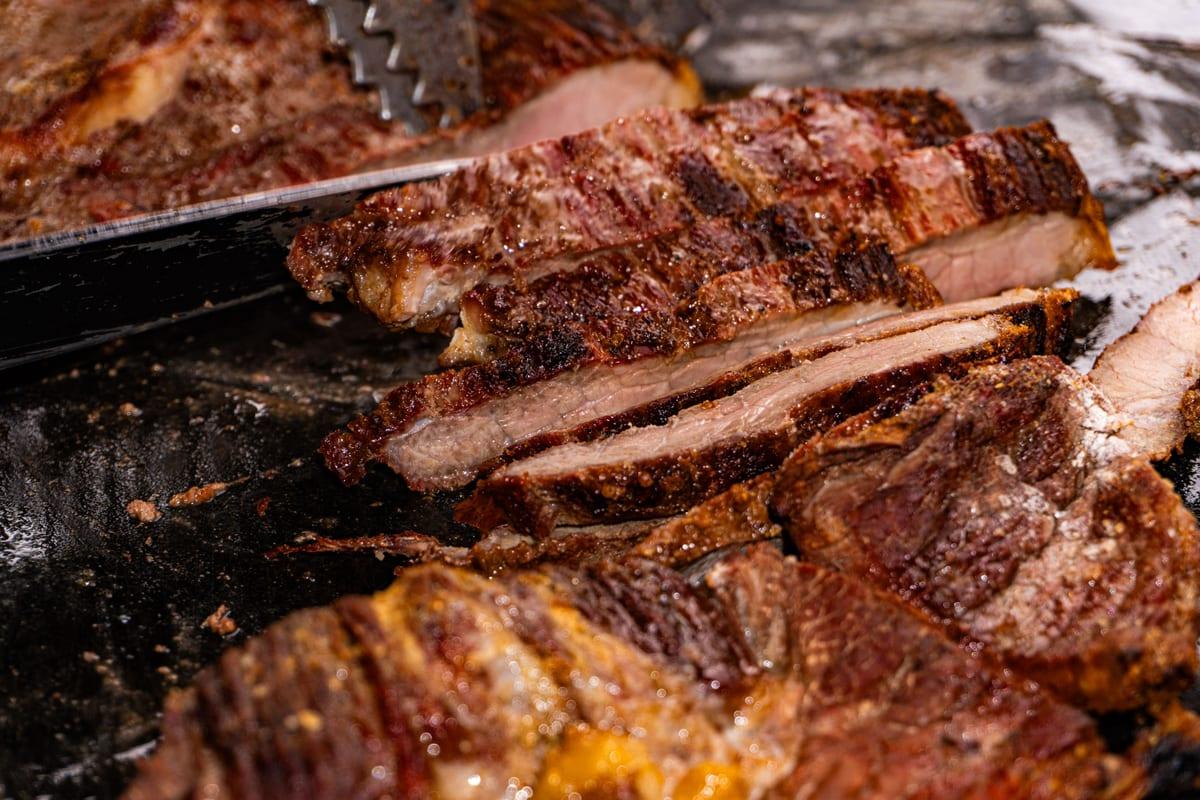
Pellet Grill Brisket
225°F, wrap at 165°F, 203°F probe-tender, rest 2 hours.
225°F, raised to 250°F after the wrap · 10 to 14 hours for a 12-14 lb packer
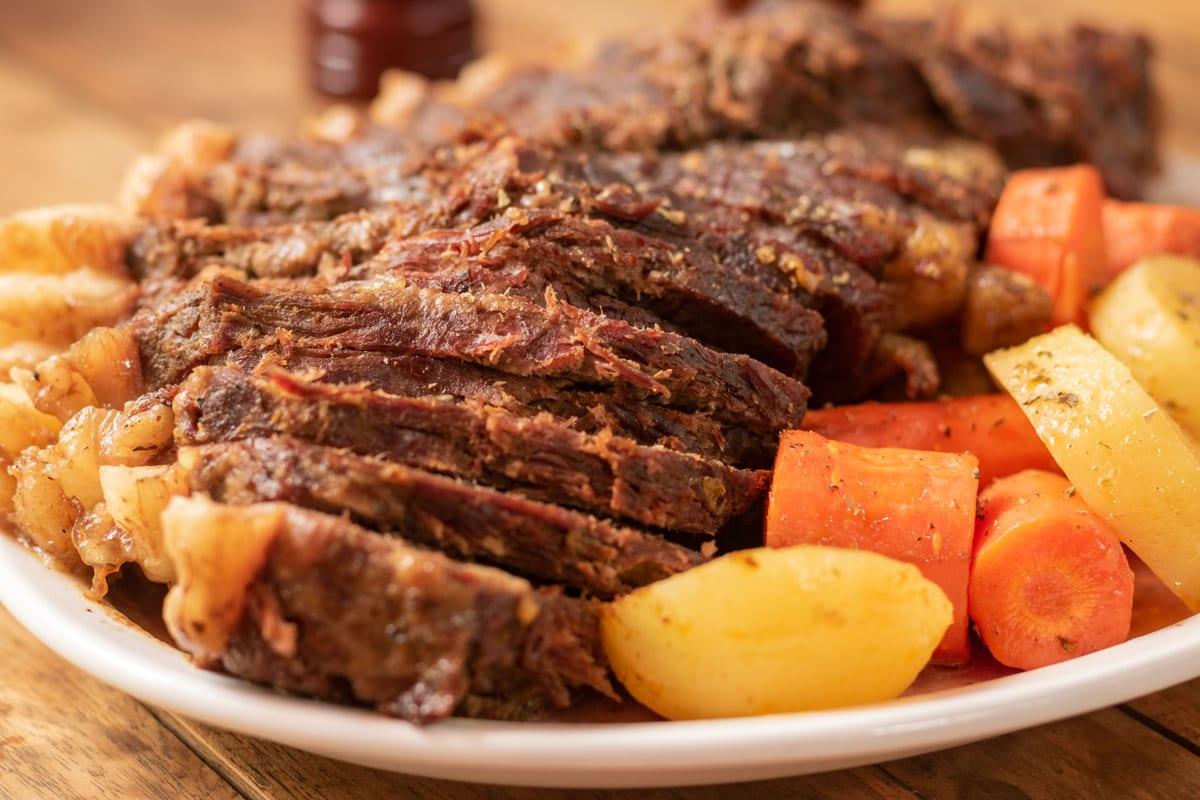
Smoked Chuck Roast
250°F, wrap at 165°F, cook to 203°F. Brisket texture, less risk.
250°F · 7 to 9 hours for a 3-4 lb roast
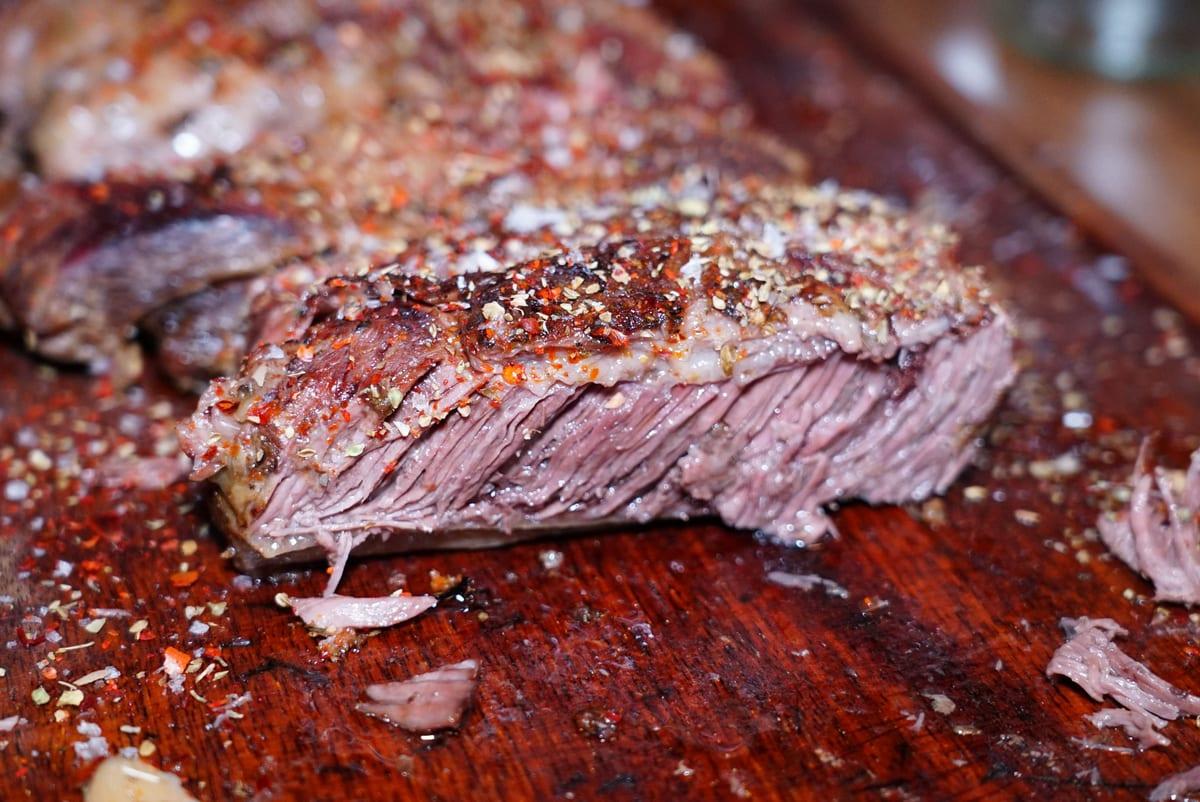
Smoked Prime Rib on a Pellet Grill
225°F, pull at 120-125°F, sear at 500°F. Pull temps by doneness.
225°F, then 500°F to sear · about 35-40 minutes per pound at 225°F
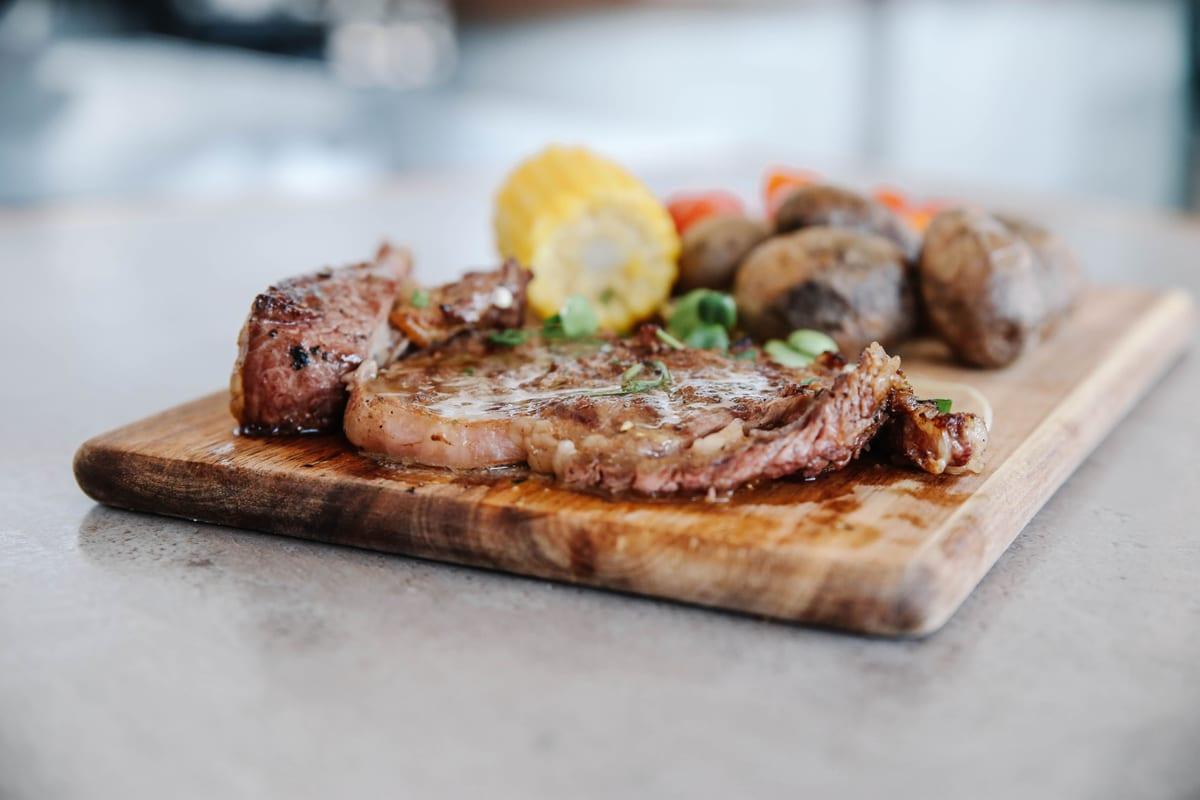
Reverse Sear Steak on a Pellet Grill
Smoke to 115-120°F, then sear hard. Edge-to-edge pink.
225°F, then maximum heat to sear · 40-60 minutes, depending on thickness
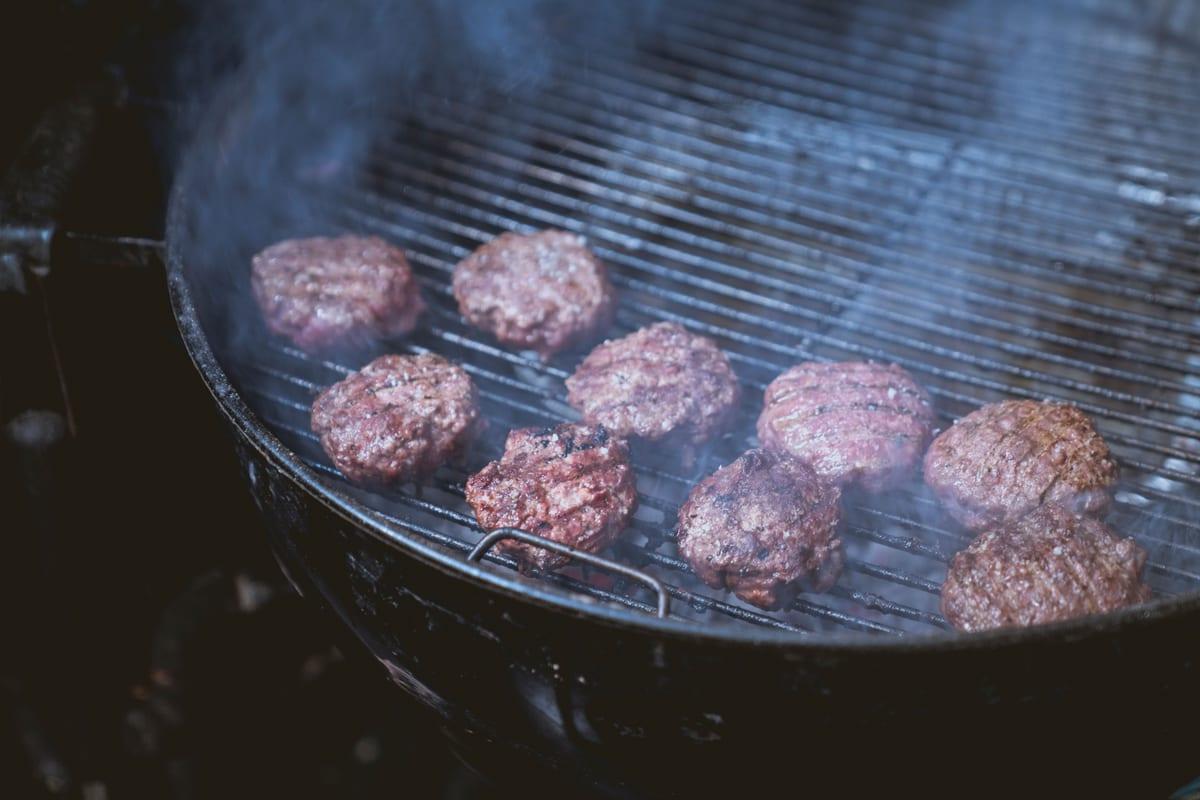
Pellet Grill Burgers
Smoke 30 min at 225°F, sear hot, 160°F for ground beef.
225°F, then maximum heat to sear · 35-45 minutes with a smoke stage
Pork
The most forgiving long cooks in barbecue, and the ones a pellet grill makes genuinely easy.
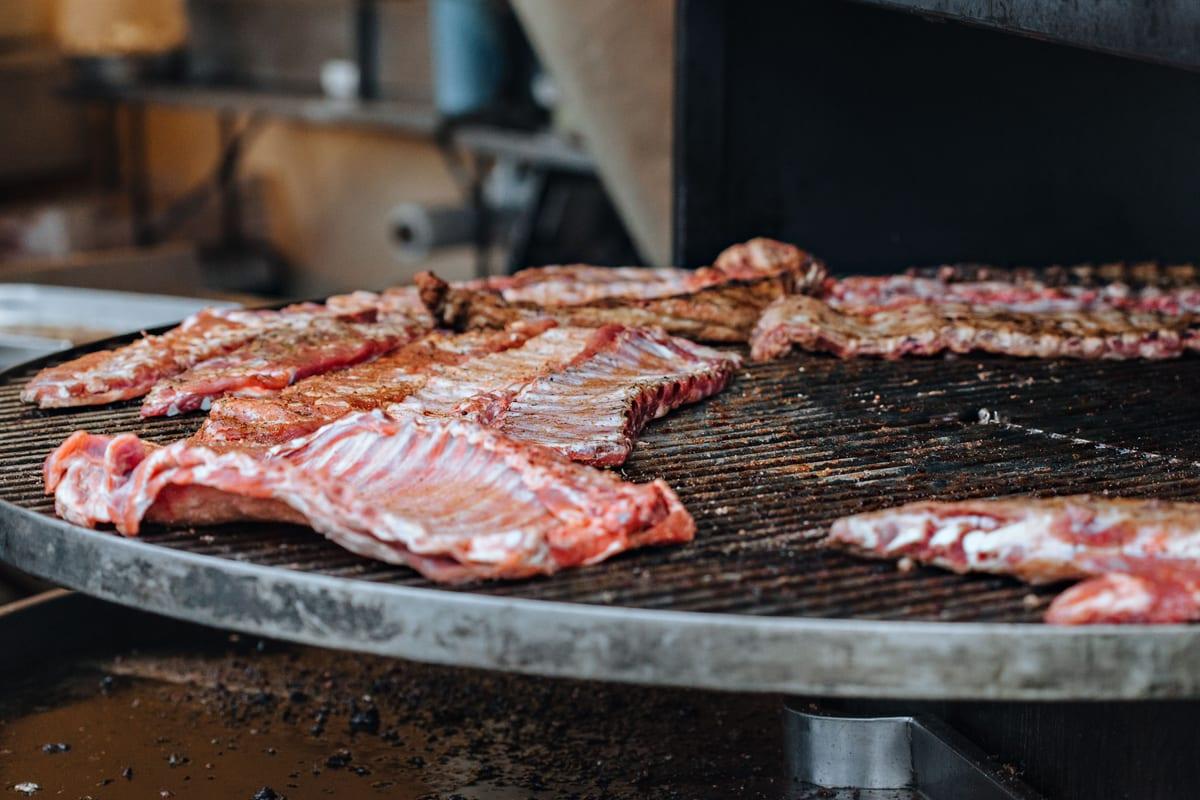
Pellet Grill Ribs: the 3-2-1 Method
3 hours smoke, 2 wrapped, 1 glazed. All at 225°F.
225°F throughout · 6 hours, in three stages
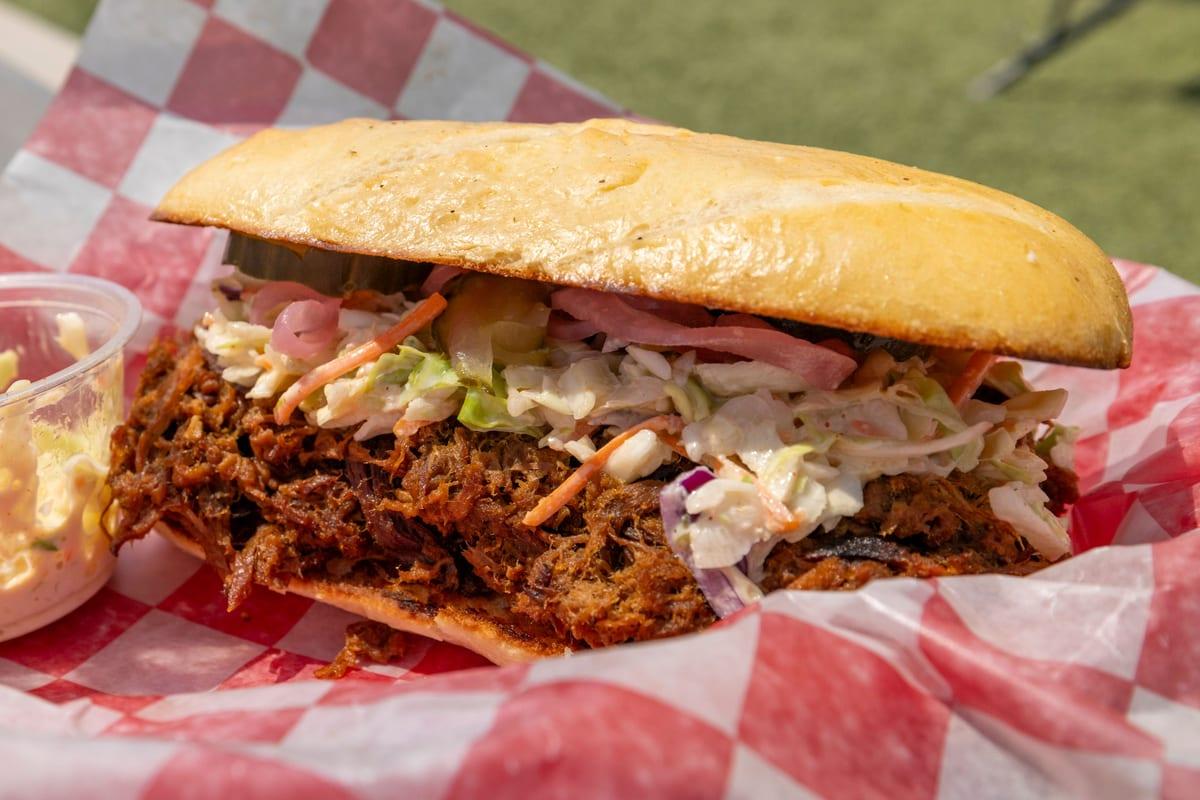
Pellet Grill Pulled Pork
225°F, wrap at 165°F, 203°F probe-tender. Hard to get wrong.
225°F, raised to 250°F after wrapping · 8 to 12 hours for an 8 lb butt
Poultry
One rule, no exceptions: 165°F, everywhere in the bird.
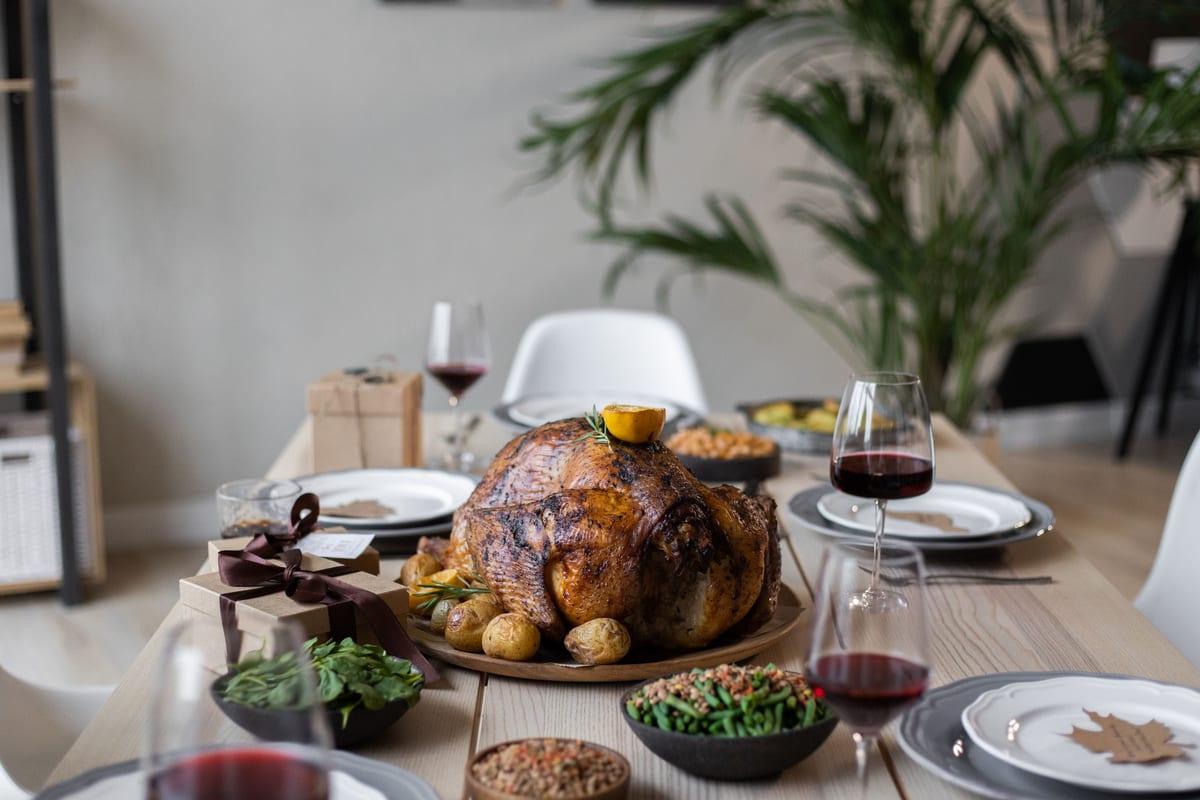
Smoked Turkey on a Pellet Grill
Dry brine, 275°F, 165°F in the thigh. Timing by weight.
275°F · 3 to 4 hours for a 12-14 lb bird
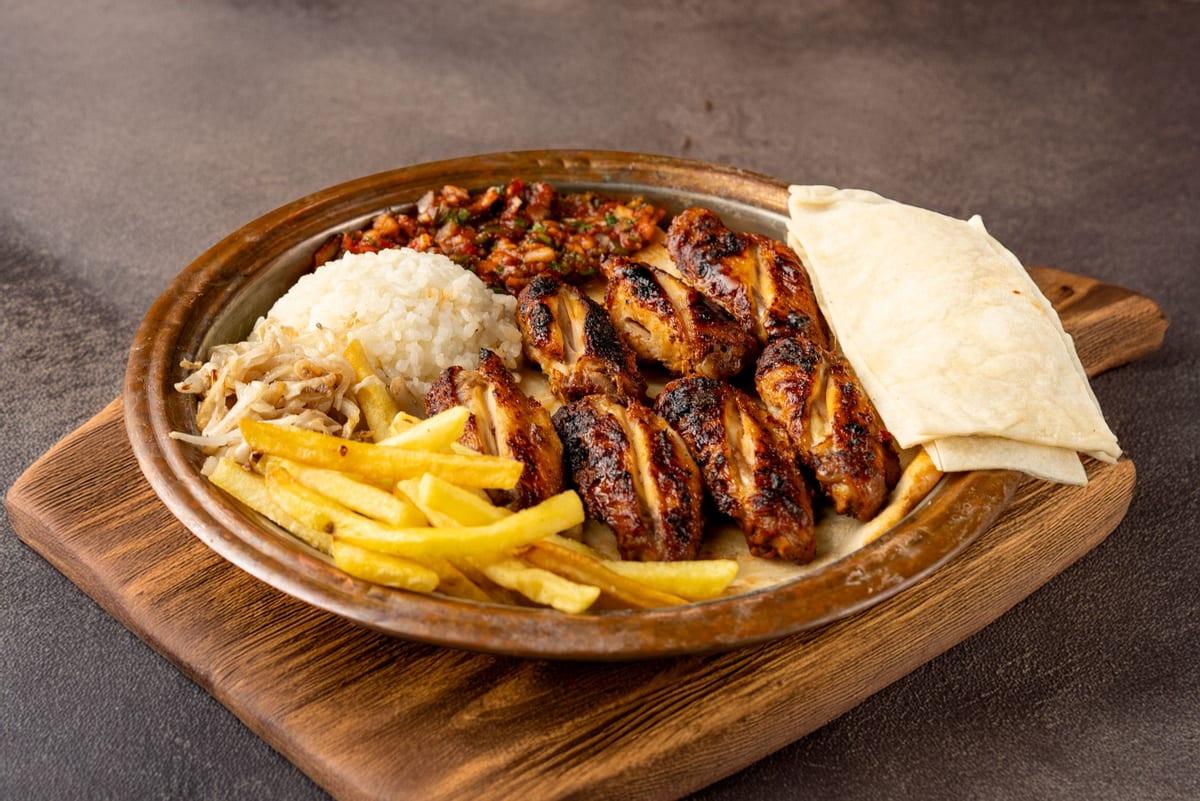
Smoked Chicken Wings on a Pellet Grill
Smoke at 225°F, finish hot. Crisp skin, 165°F inside.
225°F, then 400°F+ to finish · about 1 hour 30 minutes in two stages
Seafood
Short cooks where a few degrees decide the texture.
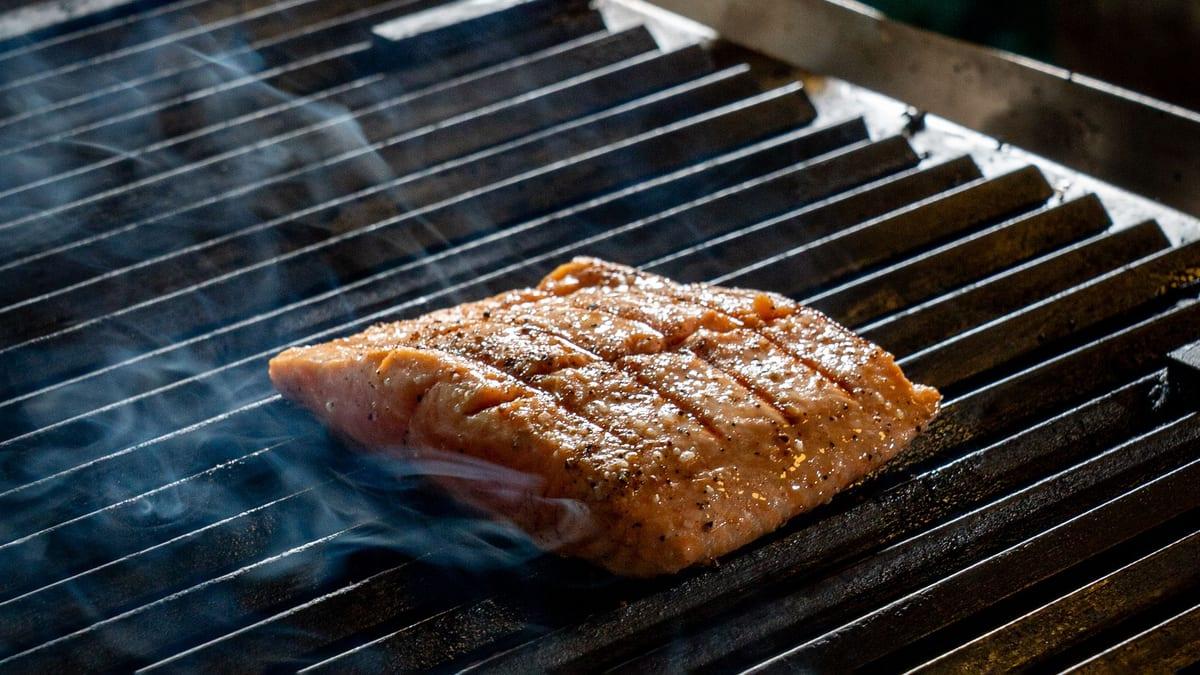
Smoked Salmon on a Pellet Grill
Short cure, pellicle, 225°F to 145°F. Don't skip the pellicle.
225°F · about 1 hour
Sides
What goes on the spare grate while the main is resting.
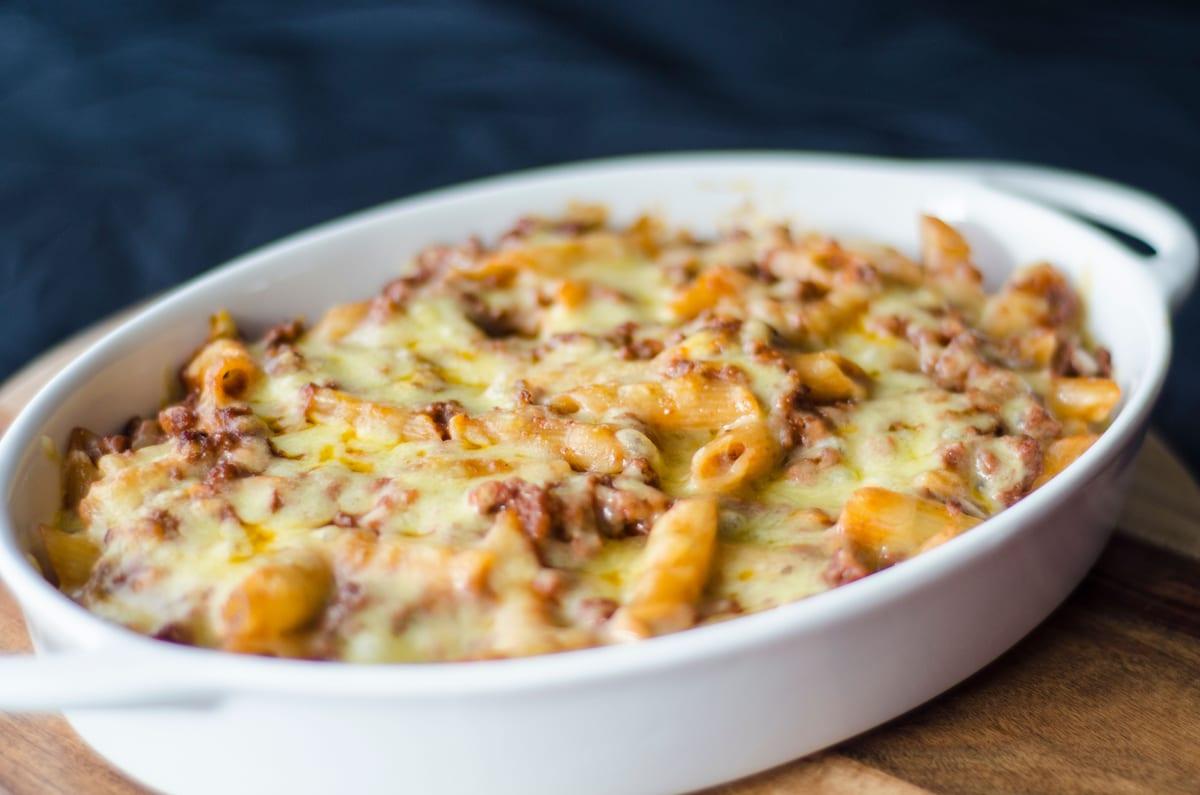
Smoked Mac and Cheese on a Pellet Grill
Uncovered at 225°F for an hour. Grate your own cheese.
225°F · about 1 hour
Questions people actually ask
What temperature should I smoke at on a pellet grill?
225°F is the default for low-and-slow barbecue, 250°F speeds up long cooks like pork shoulder and chuck without much cost, and poultry is better at 275°F because the skin needs heat to render. Every recipe here states its own.
Do I cook to time or to temperature?
Temperature, always. The times on these pages are for planning your day. Two cuts of identical weight routinely finish an hour or more apart, which is why every recipe gives a target internal temperature and a time range rather than a single number.
Why do brisket and pulled pork go to 203°F when beef is safe at 145°F?
Those are two different questions. 145°F is the USDA safe minimum for whole cuts of beef and pork. 203°F is a texture target: the collagen in tough cuts only renders into gelatin above about 195°F, and until it does the meat is safe but chewy. Tender cuts like steak and prime rib have no reason to go near 203°F.
Which wood pellets should I use?
Oak and hickory for beef, apple and cherry for poultry and pork, alder for fish. Mesquite is the strongest and the easiest to overdo. Our wood pellet flavors guide covers each one, and every recipe names a flavor in its at-a-glance box.
What you need before any of these
- An instant-read thermometer — the one piece of equipment every recipe on this site depends on.
- Pellets that suit the cook — or the flavor guide if you are not sure which.
- The first-cook startup routine — if the grill is new out of the box.
- A grill — our full ranking, with live prices.